
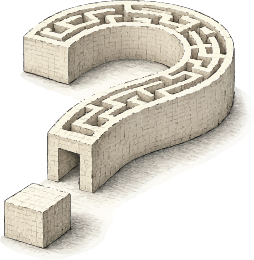
A child looks at the night sky and asks:
“How do we know the stars are still there when we can’t see them?”
Another asks:
“What would happen if humans could fly?”
A third pauses during a game and wonders:
“How do I know this is the best move?”
The questions are different.
One is about science.
One is about imagination.
One is about strategy.
But they all begin in the same place.
Every discovery, invention, breakthrough, and idea begins there too. Long before we find answers, we ask questions. For most of human history, finding information was difficult. People searched through books. Visited libraries, asked teachers and experts.
Today, answers are everywhere. Search engines provide information in seconds. Artificial intelligence can generate explanations, summaries, and solutions almost instantly. Information has never been more accessible. Yet something interesting has happened. As answers have become easier to find, questions have become more important. Having access to information is not the same as knowing what to do with it. The challenge is no longer finding answers. The challenge is asking better questions.